Why Your Parquet Floor Is Turning Black and How to Fix It
Why Your Parquet Floor Is Turning Black and How to Fix It
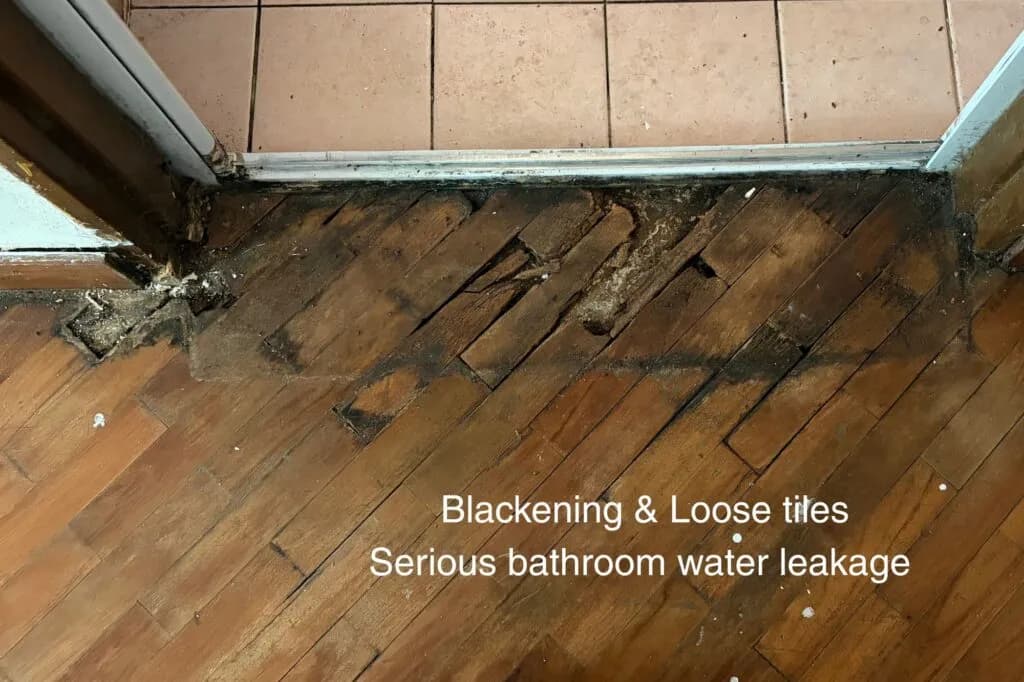
Black patches on a parquet floor are one of the most common complaints we hear from Singapore homeowners. They usually appear near bathroom doors, along kitchen edges, under potted plants or in corridors where the varnish has worn thin.
Some black marks are cosmetic and sand out easily. Others indicate moisture damage that will keep spreading if ignored. Knowing the difference saves both money and heartache.
The Most Common Causes
1. Worn Varnish and Trapped Dirt
When the protective varnish wears through, the bare timber absorbs dirt and moisture from mopping. The result is a dark, grey-black discolouration along traffic paths.
2. Water Seepage
Bathroom overflows, leaking pipes, air-conditioner drips and wet mopping all introduce moisture. Timber swells, darkens and eventually cups or lifts.
3. Mould and Mildew
In Singapore's humidity, damp timber becomes a breeding ground for mould. The blackening often has a fuzzy texture and a musty smell.
4. Pet Accidents
Urine is acidic and alkaline at different stages, and both attack timber. Repeated accidents in the same spot create deep, permanent-looking black stains.
5. Rubber-Backed Mats and Furniture
Rubber or PVC backing can react with certain varnishes, leaving dark rectangular marks where the mat sat.
6. Old Age and Oxidation
Older parquet with original lacquer can darken unevenly as the coating oxidises and breaks down.
Is It Mould, Water Damage or Just Dirt?
Sign | Likely Cause | Fix |
|---|---|---|
Dark grey paths along walkways | Worn varnish and dirt | Sanding and refinishing |
Fuzzy black patches with smell | Mould | Treatment plus sanding; replace if deep |
Cupped or lifted strips | Water damage | Patch replacement |
Dark ring under a pot or mat | Trapped moisture | Sand and refinish if shallow |
Hollow sound when tapped | Debonded strips | Replacement recommended |
What You Can Do Yourself
Stop the source of moisture first. Fix leaks before any cosmetic work.
Dry the area thoroughly with ventilation or a dehumidifier.
Clean gently with a wood-safe cleaner and a barely damp cloth.
Do not sand by hand in small circles, which creates visible patches.
Do not apply bleach or heavy chemical mould killers to timber.
Avoid covering the area with a mat, which traps moisture further.
When Sanding and Refinishing Is Needed
Sanding removes the damaged surface layer and the old varnish in one pass, addressing:
Grey and black discolouration from worn varnish.
Surface mould that has not penetrated the core.
Shallow water marks and stains.
Scratches, dents and uneven colour.
After sanding, the floor is stained where necessary, then sealed with a durable varnish. In most cases the result looks close to a new floor.
Repair vs Replace
Condition | Recommended Action |
|---|---|
Surface blackening only | Full sand and refinish |
Isolated damaged strips | Patch replacement plus refinish |
Large areas lifted or mouldy through the core | Sectional or full replacement |
Veneer too thin to sand | Overlay or replacement |
Preventing Black Patches From Returning
Refinish before the varnish wears completely through.
Use a damp, not wet, mop and dry the floor afterwards.
Place trays under all potted plants.
Install a mat at the bathroom door to catch water.
Keep indoor humidity in check with ventilation or a dehumidifier.
Wipe pet accidents immediately and neutralise the area.
Avoid rubber-backed mats on varnished parquet.
Frequently Asked Questions
Can black mould on parquet be removed?
If the mould is confined to the surface, sanding removes it completely. If it has penetrated the core or subfloor, those sections must be replaced.
Will sanding remove all black marks?
Surface marks yes; deep stains that have soaked into the timber may lighten significantly but not disappear entirely. A stain-matched refinish usually disguises the remainder.
Is it safe to stay home during sanding?
Generally yes, with dust-controlled equipment and masking. Sensitive individuals may prefer to be out during the sanding phase.
How soon should I address black patches?
As soon as possible. Moisture damage spreads, and a small patch repair is far cheaper than a full replacement.
Get a Parquet Assessment in Singapore
Asrafi Renovation Pte Ltd diagnoses parquet damage across Singapore and recommends the most cost-effective fix, from targeted patching to full sanding and refinishing.
Call or WhatsApp +65 8464 2371 or visit 101 KITCHENER ROAD, #03-04A, JALAN BESAR PLAZA, SINGAPORE 208511. Open daily, 9am to 10pm.
Found this helpful? Share it.